
Debt Collector: What Businesses Should Know About Debt Recovery in Singapore
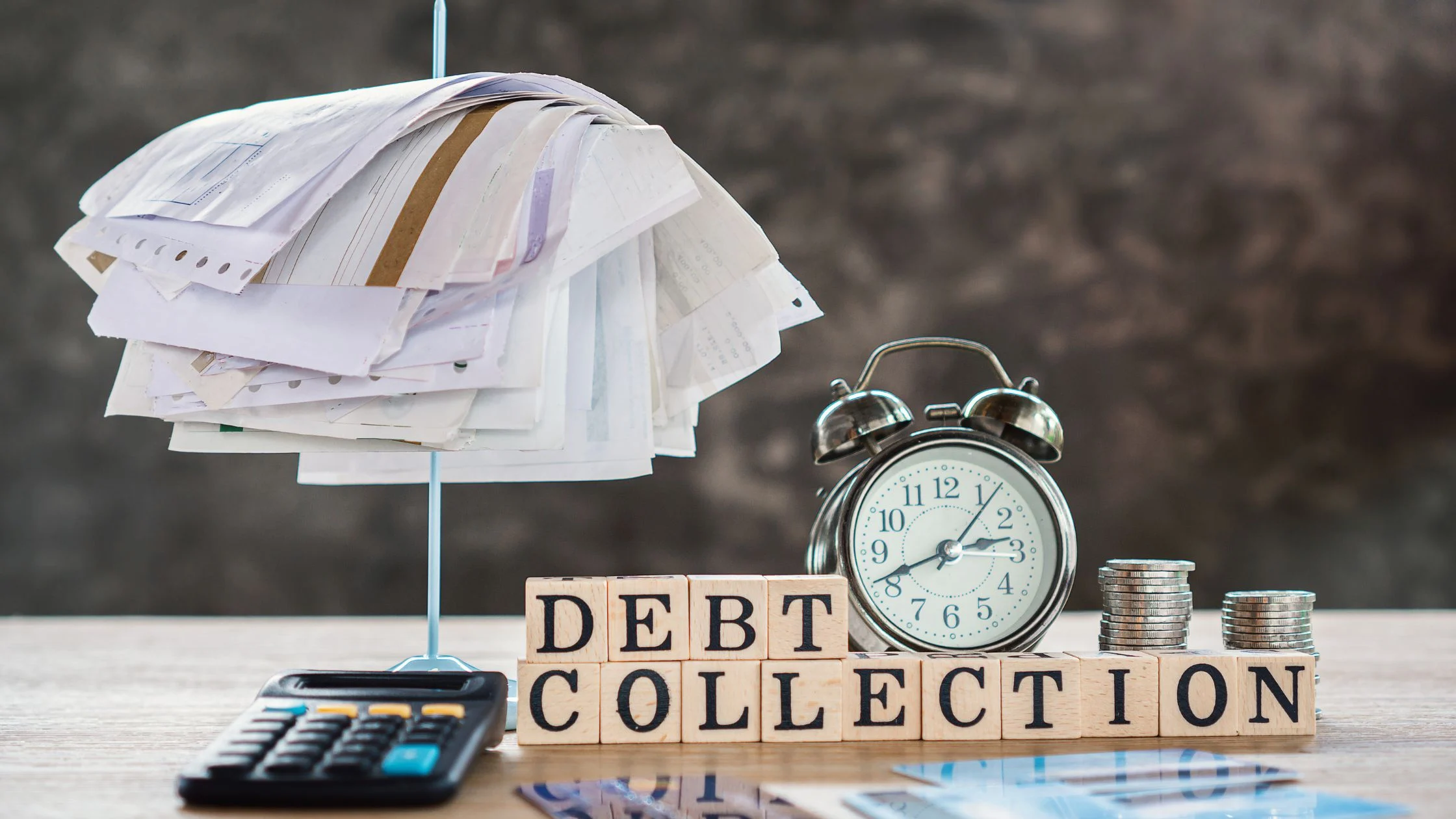
Unpaid invoices have a way of becoming more frustrating with time. A customer may promise to pay next week, then next month, and eventually stop responding altogether. For a small business, one overdue account might be manageable. Several unpaid accounts can start putting real pressure on cash flow.
This is where a debt collector can make a difference.
Professional debt recovery is not simply about repeatedly asking someone for money. It involves finding the right person, confirming the debt, keeping records, communicating properly, and working toward a realistic resolution. In Singapore, the industry is also subject to a licensing framework and specific rules governing collection activities.
When Does a Business Need a Debt Collector?
There is usually a point when chasing an overdue account starts taking more time than it is worth.
Your team may have already sent invoices, reminders, emails, and payment notices. Perhaps the customer keeps saying the payment is being processed, but nothing arrives. Meanwhile, your employees are spending working hours following up instead of handling customers or running the business.
A professional debt collector can take over that part of the process.
The aim is not necessarily to make every conversation aggressive. In many cases, a clear conversation can uncover the real reason behind the delay. The debtor may have a temporary cash-flow problem, may dispute part of an invoice, or may simply have stopped prioritising the account.
Understanding the situation can help determine the next step.
What Is a Singapore Debt Collection Service?
A singapore debt collection service is a professional service that helps creditors pursue money owed to them.
Depending on the arrangement, a collection company may work on behalf of a business or collect debts it has acquired. Singapore's Debt Collection Act defines debt collection activity broadly to include finding a debtor and requesting, demanding, or collecting money due under a debt.
The important point for businesses is that collection is regulated. Since 1 March 2024, debt collection companies generally need to be licensed to conduct debt collection activities in Singapore, subject to the applicable licensing framework and exemptions.
So if you are hiring a collection company, checking its licensing status should be part of your selection process.
What Happens After a Debt Is Referred?
The first step should not be a threatening phone call.
A responsible collection process begins with information.
The agency may review the invoice, contract, account statements, correspondence, payment history, and other documents supplied by the creditor. Under Singapore's regulations, a licensee must have a written agreement with the creditor and obtain documentation evidencing the debt before attempting collection. Reasonable steps must also be taken to establish that the person being contacted is actually the debtor.
That preliminary work matters.
Imagine contacting the wrong person because an old database contains an incorrect telephone number. Apart from wasting time, it can create an unnecessary dispute. Verification helps prevent that kind of situation.
Communication Matters More Than Pressure
People sometimes picture debt recovery as a series of intimidating phone calls. That approach is not a sensible foundation for professional collection work.
A better conversation is direct but controlled.
The collector explains why the person is being contacted, identifies the outstanding amount, gives the debtor an opportunity to respond, and discusses what can reasonably be done next.
Sometimes the answer is straightforward: the customer forgot about the invoice.
Sometimes there is a genuine disagreement over the amount.
Sometimes the customer cannot pay the entire balance immediately but can make payments over an agreed period.
Each situation requires a different response.
Singapore's debt collection regulations also place restrictions on collection conduct, including prohibited activities. Licensees are required to take reasonable measures and provide appropriate training so collectors comply with the relevant law and codes of practice.
Why Businesses Should Act Earlier
Waiting several months before taking action can make recovery harder.
Contact details may change. Staff who handled the original account may leave. Important emails can become difficult to locate. The longer an unpaid invoice sits in the accounts system, the easier it becomes for everyone involved to lose track of what happened.
Early follow-up creates a clearer paper trail.
It also gives the customer an opportunity to resolve the issue before the situation becomes more complicated.
That does not mean sending every late invoice to a collection agency immediately. A business should have its own internal reminder process first. But when normal follow-ups stop producing results, outside assistance can save considerable time.
Choosing the Right Collection Partner
Not every collection company will suit every business.
Before making a decision, ask how the company handles verification, communication, reporting, documentation, disputes, and payment arrangements. Find out how often you will receive updates and what happens when a debtor challenges the amount being claimed.
Licensing is another basic checkpoint.
Singapore Police states that a person carrying on a debt collection business or conducting debt collection activity in the course of that business must be authorised with a valid licence under the Debt Collection Act, subject to the Act's framework.
A professional service should also be able to explain its process clearly instead of making unrealistic promises about recovering every dollar.
Debt Recovery Is About More Than Getting Paid
Successful collection is ultimately about resolving an unpaid obligation.
For the creditor, that may mean recovering money that has been sitting on the books for months. For the debtor, it may mean finally having a clear conversation about an account that has been left unresolved.
That is why good collection work requires patience as well as persistence.
A debt collector who understands the account, verifies the facts, communicates clearly, and follows the rules can often achieve more than repeated pressure ever could.
For Singapore businesses dealing with persistent unpaid accounts, a properly licensed singapore debt collection service can provide a structured way to move the matter forward while keeping the recovery process organised and professional.
The sooner a business understands what is owed, gathers the supporting documents, and chooses the right recovery approach, the easier it becomes to deal with overdue accounts before they turn into long-running problems.
 Portuguese
 Turkish
 English
 Arabic
 French
 Spanish
 Deutsch
 Dutch
Dutch
 Italiano
 Russian
 Kurdish
 Romaian
 Portuguese (Brazil)
 Greek
Greek
 Bulgarian
 Ukrainian
 Czechoslovakia
 Hindi
Hindi
 Chinese
 Japanese
 Indonesian
 Korean
 Hungarian
 Malay
Malay
 Lithuanian
 Swedish
 Norwegian
 Danish
 Bengali
 South America