
Bayn by Ora Developers: A Fresh Perspective on Contemporary Property in Egypt
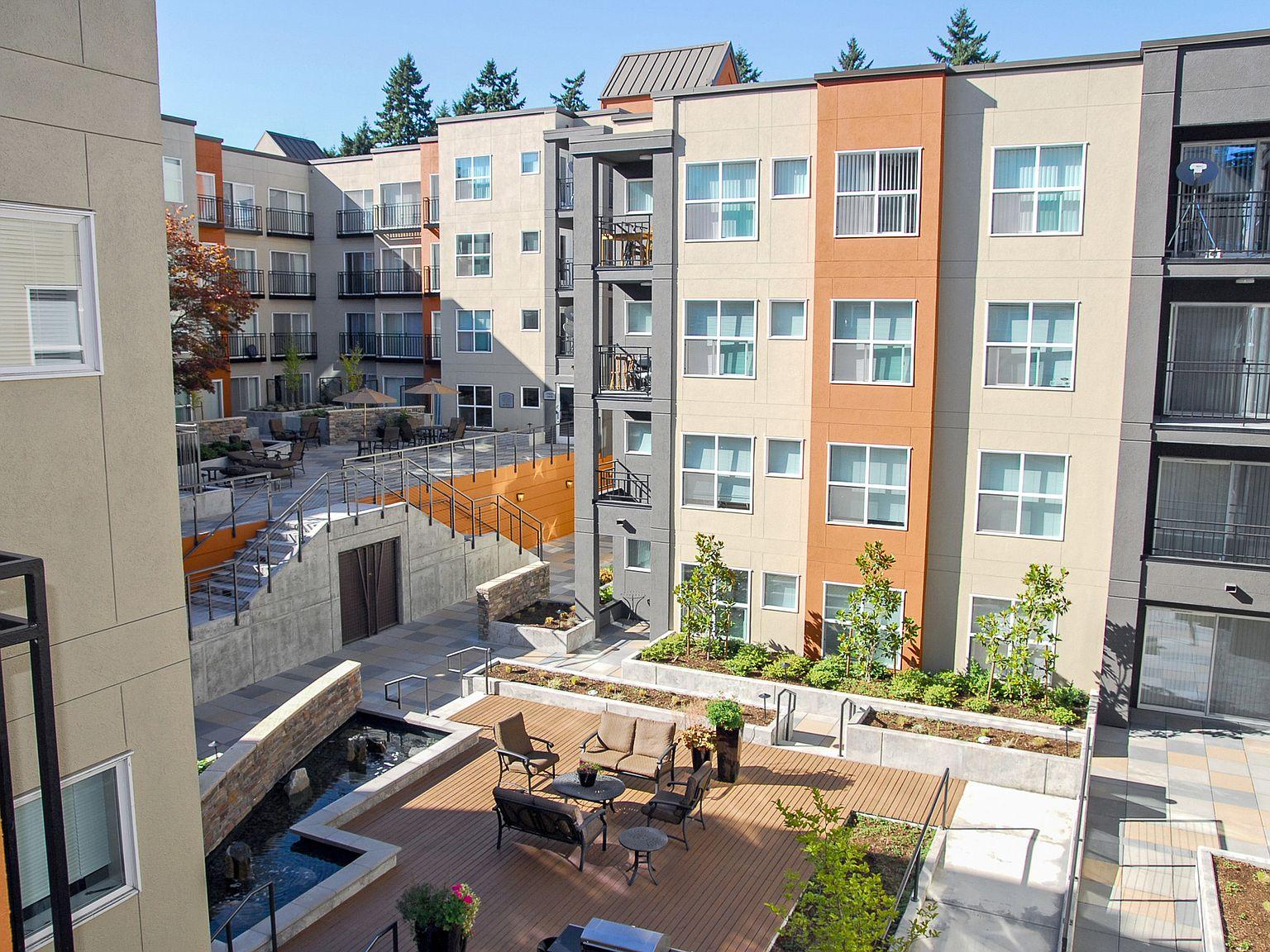
Real estate buyers are becoming more deliberate about what they expect from a new home. A visually impressive building may attract attention, but purchasing a property involves much more than choosing an attractive façade. The surrounding environment, the relationship between private and shared spaces, accessibility, future development, and the way a residence fits into everyday life can all influence the final decision.
Bayn by Ora Developers enters this conversation with a residential concept that can be considered through a broader question: what should a contemporary community provide to people who intend to spend a significant part of their lives there?
Instead of judging a development through a checklist of standard features, it is useful to explore the principles that make a residential destination practical, memorable, and capable of remaining relevant over time.
Why the Idea of “Home” Is Changing
The modern home has become more multifunctional.
It can be a place for relaxation, remote work, family gatherings, personal hobbies, and quiet time. Because of this, buyers increasingly look beyond the number of rooms and examine how those rooms connect.
A well-planned residence should allow different activities to happen without constantly interfering with one another.
Someone may be working while another household member is relaxing. Children may need their own area while adults require privacy. Guests may need to be accommodated without disrupting the family's everyday routine.
These considerations make spatial planning a central part of residential quality.
Beyond the Four Walls
A community can influence daily life almost as much as the residence itself.
Shared gardens, walking areas, recreational spaces, social zones, and carefully planned circulation routes can encourage residents to use their surroundings rather than spending all their time indoors.
This approach also creates opportunities for informal interaction. People may recognize neighbors, children can become familiar with their surroundings, and ordinary activities can feel less isolated.
For anyone researching bayn by ora developers, the wider community concept should therefore receive as much attention as the individual property.
The Importance of Thoughtful Planning
Large developments can sometimes feel overwhelming because of their scale. Good planning can make a community feel more manageable.
The positioning of buildings, roads, pedestrian routes, landscaping, and shared areas can determine whether residents experience the development as a connected neighborhood or as a collection of separate structures.
This is where urban design becomes important.
A successful residential environment creates logical movement. Residents should be able to reach common destinations without unnecessary complexity, while private homes should retain an appropriate sense of separation.
These details may not always appear in a property advertisement, but they can have a significant impact after residents move in.
Ora Developers and the Contemporary Housing Market
Ora Developers operates within a property market where buyers have increasingly sophisticated expectations.
Today's purchasers are exposed to residential projects from different countries and compare not only prices but also design philosophies, community concepts, landscaping, architecture, and lifestyle possibilities.
That competitive environment places greater importance on creating a recognizable residential identity.
For Bayn by Ora Developers, the challenge is therefore not simply to provide housing. A successful development needs to establish a setting that residents can understand, use, and eventually associate with a particular way of living.
Why Outdoor Areas Matter
Outdoor space can influence how a community feels.
Landscaped areas can provide visual relief from buildings, while pedestrian-friendly zones can make short walks more enjoyable. Residents may use outdoor spaces for exercise, conversation, relaxation, or family activities.
The most useful outdoor areas are those that feel connected to daily routines.
A beautiful landscape that residents rarely access has limited practical value. By contrast, an accessible green space located along common routes can become part of everyday life.
This distinction is important for buyers evaluating residential communities beyond their interior specifications.
A Residential Environment for Different Personalities
No two homeowners use their property in exactly the same way.
Some people enjoy social environments and prefer having spaces where they can meet others. Others want a quiet retreat after work. Families may prioritize recreation and safety, while professionals may focus on flexible areas that can accommodate remote working.
A well-considered residential development should allow these different lifestyles to coexist.
This flexibility can contribute to the long-term relevance of a project because the community does not depend on one narrow definition of the ideal resident.
Location Should Be Judged Through Routine
Real estate marketing often describes a location using broad statements about connectivity and convenience.
A more useful approach is personal.
A buyer should identify the destinations they visit most often and consider how easily they can reach them. This might include workplaces, schools, supermarkets, healthcare facilities, restaurants, family homes, or recreational destinations.
A location that looks impressive on a map may not necessarily be practical for a particular household.
For buyers considering bayn by ora developers, evaluating the surrounding area through their actual routine can produce a much more meaningful conclusion.
Designing for Long-Term Ownership
Property is usually a long-term commitment, which means today's needs are not necessarily the only needs that matter.
A couple may eventually have children. A home office may become essential. Elderly family members may need more accessible spaces. Storage requirements may increase.
Flexible design can make a residence easier to adapt as these circumstances change.
Buyers should therefore think beyond furniture arrangements shown in promotional imagery. They should imagine how the residence could function at different stages of ownership.
What Investors Should Look At
An investor has a different set of priorities from an end user.
The first question should be whether the acquisition price is justified by comparable properties. From there, rental demand, potential tenant demographics, competing supply, ownership expenses, payment schedules, and resale prospects become important.
The surrounding area's development trajectory can also influence future performance.
However, investors should avoid assuming that a recognizable developer or attractive community automatically guarantees financial returns. Market conditions, property selection, and purchase timing can all make a substantial difference.
Choosing a Unit Requires Its Own Analysis
Selecting a development is only part of the property-buying process.
Different units can have different levels of desirability depending on their position within the project.
Orientation, floor level, privacy, views, access to shared spaces, internal configuration, outdoor areas, and parking can all influence the experience.
An end user might prioritize peace and privacy, while an investor could favor a configuration that appeals strongly to renters.
This means buyers should compare individual units rather than treating the entire development as one identical product.
Questions Buyers Should Ask
Before making a reservation, prospective buyers should request current and verified information and examine the details carefully.
Useful questions include:
-
What property types are available?
-
Which layouts best suit the intended use?
-
What is the current purchase price?
-
How are payments divided?
-
What is the expected delivery schedule?
-
Which facilities are included?
-
What ownership costs should be anticipated?
-
How much maintenance is required?
-
What services are available nearby?
-
What competing projects exist in the same market?
-
Is the property intended primarily for personal use or investment?
These questions can prevent a purchase from being driven entirely by first impressions.
The Bigger Picture Behind Bayn
The appeal of bayn by ora developers can be examined as part of the broader evolution of contemporary residential development.
Today's successful communities are increasingly expected to provide an ecosystem rather than merely a building. Architecture, landscape, shared spaces, accessibility, and private residences need to work together.
This approach can create a stronger sense of identity and give residents more reasons to engage with the place where they live.
The ultimate success of any development, however, depends on execution. Buyers should continue to verify project-specific information and assess the property according to their own financial and lifestyle requirements.
Final Thoughts
Bayn by Ora Developers offers a reason to think differently about what makes a residential project attractive. The strongest proposition is not necessarily the one with the longest amenities list or the most dramatic promotional imagery.
Instead, buyers should look at the fundamentals: how the home is planned, how the community functions, how the location fits their routine, and whether the financial commitment is reasonable.
For end users, the ideal residence should make ordinary life easier and more comfortable. For investors, the property needs a defensible financial case supported by market evidence.
Ultimately, a successful residential development is one that continues to make sense after the initial excitement of launch has disappeared. That is the standard worth applying when researching bayn by ora developers and comparing it with other contemporary property opportunities.
 Czechoslovakia
 Turkish
 English
 Arabic
 French
 Spanish
 Portuguese
 Deutsch
 Dutch
Dutch
 Italiano
 Russian
 Kurdish
 Romaian
 Portuguese (Brazil)
 Greek
Greek
 Bulgarian
 Ukrainian
 Hindi
Hindi
 Chinese
 Japanese
 Indonesian
 Korean
 Hungarian
 Malay
Malay
 Lithuanian
 Swedish
 Norwegian
 Danish
 Bengali
 South America