
Gummies: Flavours, Types and Everyday Choices
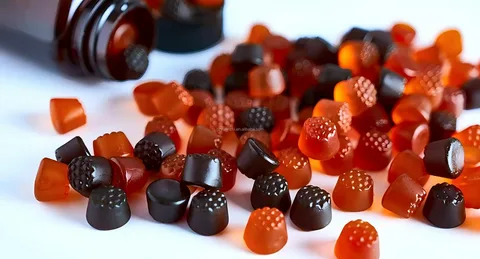
How Gummies Are Made: Ingredients, Process, and What Sets Quality Apart
Few people stop to think about what happens between a pot of warm syrup and the soft, chewy gummy sitting in their palm. Yet the science and craft behind gummy production is surprisingly intricate, involving careful ingredient selection, precise temperature control, and a molding process that has to be timed almost to the minute. Understanding how gummies are made helps explain why some products have a perfect bounce and clean flavor while others turn out sticky, grainy, or overly hard.
The Building Blocks: Core Ingredients
Every gummy starts with a handful of foundational ingredients, each playing a specific role in the final texture and taste.
The Gelling Agent
The defining ingredient of any gummy is the gelling agent, which gives the candy its signature chew. Traditionally, this has been gelatin, a protein derived from animal collagen. Gelatin creates a slightly elastic, bouncy texture that many people associate with classic gummy bears. Plant-based alternatives, most notably pectin (a fiber extracted from fruit) and starch, produce a different mouthfeel that tends to be softer and cleaner-biting.
Sweeteners
Sugar and glucose syrup are the most common sweeteners, providing both taste and structure. Glucose syrup in particular helps prevent sugar from crystallizing, which keeps the gummy smooth. Some manufacturers use sugar alcohols or other alternatives to create reduced-sugar versions.
Acids and Flavorings
Citric acid or malic acid is typically added to give gummies a tangy edge and to help the gel set properly, especially in pectin-based recipes. Natural or artificial flavorings then round out the taste profile, from cherry and lemon to more unusual blends.
Colorants
Color is added using either natural sources, such as fruit and vegetable extracts, or synthetic dyes. The choice often depends on the brand's positioning and the regulations of the market where the product will be sold.
Step-by-Step: The Manufacturing Process
While recipes vary, most commercial gummy production follows a similar sequence.
1. Cooking the Mixture
Sugar, glucose syrup, and water are heated together to a specific temperature, creating a concentrated syrup. The gelling agent is prepared separately, often dissolved in warm water, and then combined with the syrup.
2. Adding Acids, Flavor, and Color
Once the base mixture is ready, flavor, color, and acid are blended in. The timing matters, since adding acid too early or at too high a temperature can weaken the gel structure.
3. Depositing Into Molds
The warm liquid is poured into molds, traditionally made from starch. In the starch mogul method, trays of powdered starch are stamped with impressions in the shape of bears, worms, or other designs, and the liquid is deposited into each cavity. Modern manufacturers also use silicone or plastic molds, which avoid the need for starch and can produce sharper details.
4. Setting and Curing
The filled molds are moved to a drying or curing room, where they rest for anywhere from several hours to a couple of days. During this time, moisture evaporates and the gel firms up to its final texture.
5. Finishing
Once set, the gummies are removed from their molds. They may be lightly coated with oil or wax for shine and to prevent sticking, or tumbled in sugar or sour powder for extra texture and flavor.
6. Packaging
Finally, the finished gummies are inspected, weighed, and sealed in airtight packaging to protect them from humidity, which is one of gummy candy's biggest enemies.
What Makes Vitamin and Supplement Gummies Different
Producing gummies that contain vitamins, minerals, or other active ingredients adds an extra layer of complexity. Many nutrients are sensitive to heat, so they are usually added late in the process, once the mixture has cooled slightly. Manufacturers also have to account for how these ingredients affect taste, since some vitamins and minerals carry a bitter or metallic flavor that needs to be masked. Another challenge is maintaining accurate potency over time, since certain nutrients can degrade as the gummy sits on a shelf. For this reason, reputable brands often include a small overage of some ingredients so the label claim remains accurate through the product's stated shelf life.
Lost Mary BM 6000 offers adult users a compact vaping option with simple operation, steady performance, and a range of flavour choices.
Common Manufacturing Challenges
Even experienced producers run into obstacles that affect the final product.
-
Stickiness: Too much moisture or improper curing can cause gummies to clump together in the package.
-
Hardness: Over-drying leads to a tough, leathery texture that consumers tend to dislike.
-
Sugar Bloom or Graininess: Poor control of sugar crystallization can leave a gritty feel.
-
Color Fading: Exposure to light or heat can dull colors over time, especially with natural colorants.
-
Uneven Distribution: In supplement gummies, inconsistent mixing can result in varying amounts of active ingredients from one piece to the next.
How to Judge the Quality of a Gummy
Consumers can look for several practical signs when evaluating a gummy product.
Texture: A well-made gummy should be pleasantly chewy and spring back slightly, rather than feeling rock hard or overly gooey.
Ingredient List: Shorter, clearer ingredient lists often indicate simpler formulations, while the type of gelling agent and sweetener used can help match a product to dietary preferences.
Packaging Integrity: Airtight, well-sealed packaging protects against moisture and helps preserve freshness.
Manufacturing Standards: For supplements especially, products made in facilities that follow recognized good manufacturing practices and undergo third-party testing tend to inspire greater confidence.
Conclusion
Behind every gummy is a careful balance of ingredients, temperature, and timing. From choosing between gelatin and pectin to controlling how long the candy cures, each decision shapes the taste, texture, and shelf life of the finished product. Knowing how gummies are made not only deepens appreciation for this humble treat but also helps shoppers spot the marks of a well-crafted product, whether they are picking up a simple candy or a carefully formulated supplement.
Learn more from trusted sources about vaping regulations, product safety, responsible use, and current consumer guidance.
 Chinese
 Turkish
 English
 Arabic
 French
 Spanish
 Portuguese
 Deutsch
 Dutch
Dutch
 Italiano
 Russian
 Kurdish
 Romaian
 Portuguese (Brazil)
 Greek
Greek
 Bulgarian
 Ukrainian
 Czechoslovakia
 Hindi
Hindi
 Japanese
 Indonesian
 Korean
 Hungarian
 Malay
Malay
 Lithuanian
 Swedish
 Norwegian
 Danish
 Bengali
 South America