POS Ireland: Smart Solutions for Modern Businesses
POS Ireland: A Guide to Choosing Point of Sale Systems for Irish Businesses
From city-centre cafés in Dublin to family-run shops in rural Connacht, Irish businesses depend on point of sale systems to take payments, track stock, and keep their books in order. But the Irish market has its own quirks: a multi-rate VAT structure, a payments culture that has embraced contactless, varying rural connectivity, and a digital tax reporting programme that is gradually changing how businesses handle invoices. This guide explains what Irish businesses should think about when choosing a POS system.
What Does "POS" Mean for an Irish Business?
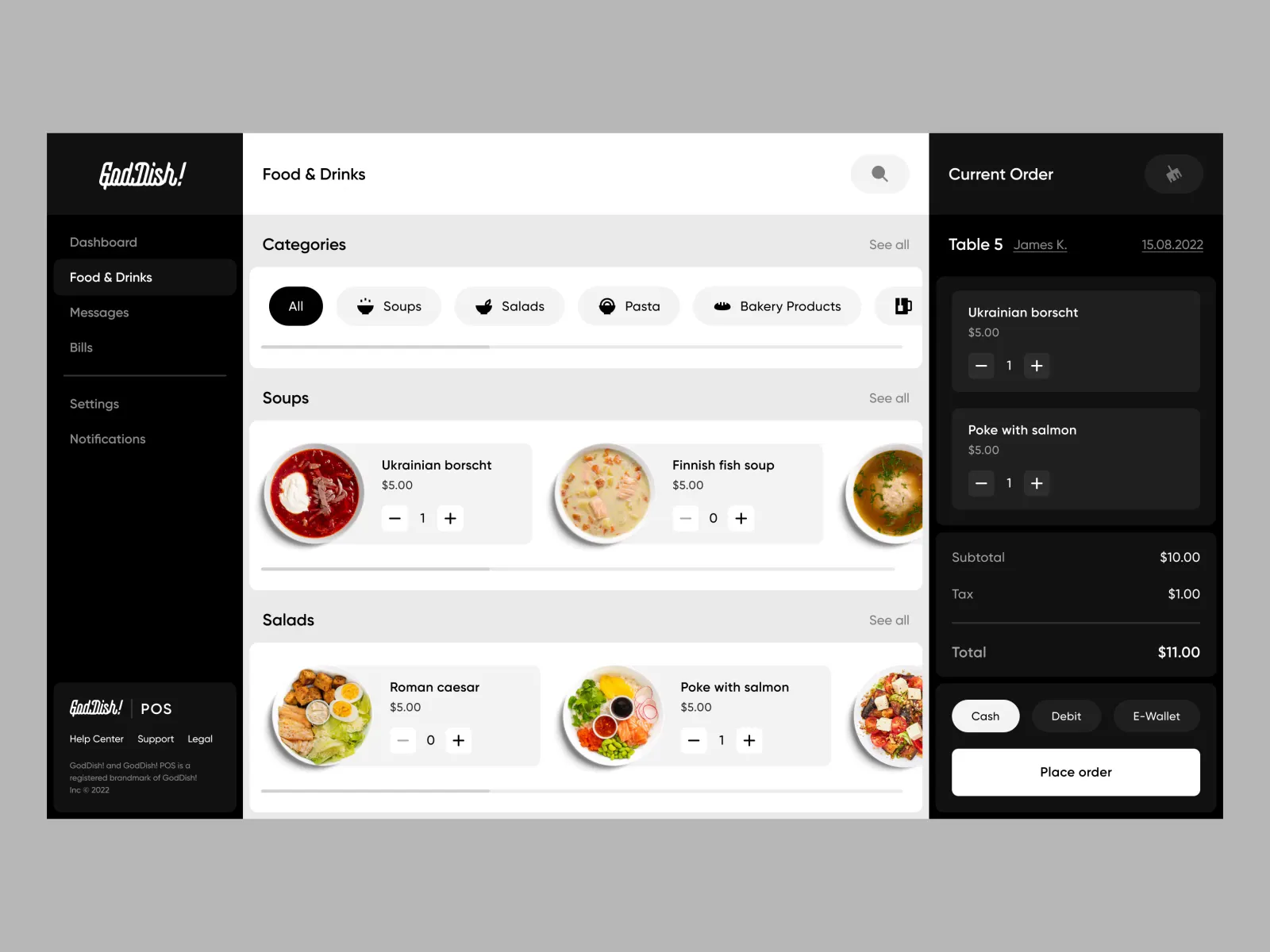
In Ireland, as elsewhere, POS refers to the combination of hardware and software used to complete a sale. That typically means a terminal or tablet, a card reader, a receipt printer, a cash drawer, and software that records the transaction, updates inventory, and produces reports. Increasingly, Irish businesses are moving away from standalone card machines toward integrated systems where payments, stock, and sales reporting all live in one place.
Why Ireland Presents Specific POS Requirements
Multiple VAT Rates
Ireland applies several VAT rates, with a standard rate of 23% and reduced rates for certain categories of goods and services. Rates affecting sectors such as hospitality have been adjusted in recent budgets, so a POS system needs to let owners set and change rates per product or menu item easily. Businesses should always confirm the current rate for their sector with Revenue or their accountant before configuring the system.
A Card-Friendly, Contactless-Heavy Payment Culture
Customers across Ireland routinely pay by tapping a card or phone, even for small purchases. A POS system should therefore support contactless cards and mobile wallets natively, with fast processing so queues do not build during busy periods.
Euro Transactions and Cross-Border Customers
Businesses near the border, or in tourist-heavy areas, may deal with sterling, visiting cardholders, and international cards. Choosing a system and payment provider that handles these smoothly can reduce friction at the till.
Rural and Patchy Connectivity
While broadband has improved, some rural and coastal areas still experience unreliable connections. A POS with offline mode, which continues to record sales and syncs when connectivity returns, is worth prioritising for businesses outside major towns.
Key Features Irish Businesses Should Look For
Accurate VAT Handling and Reporting
The system should calculate VAT correctly at the point of sale and produce clear reports that simplify bi-monthly returns. Clean, exportable data saves time for both owners and accountants.
Integration With Accounting Software
Many Irish small businesses use cloud accounting packages. A POS that syncs sales, refunds, and VAT data directly reduces double entry and month-end headaches.
Inventory and Supplier Management
Retailers and food businesses benefit from real-time stock tracking, low-stock alerts, and simple purchase ordering, especially where suppliers deliver on fixed weekly schedules.
Staff Management and Permissions
Role-based access, staff logins, and shift reports help protect against errors and internal fraud while keeping day-to-day operations transparent.
Flexible Payment Options
Beyond cards, businesses may want split payments, gift vouchers, tips, and cash handling tools integrated into the same workflow.
A point of sale system helps businesses manage sales, payments, inventory, and customer transactions more efficiently from one organized platform.
POS Needs by Business Type
Hospitality and Pubs: Table management, split bills, tab handling, kitchen or bar printers, and quick modifier entry are central. Busy weekend service makes speed and reliability essential.
Retail Shops: Barcode scanning, variant management for sizes and colours, returns handling, and loyalty tools matter most, along with integration to any online shop.
Cafés and Takeaways: Fast order entry, menu customisation, and support for click-and-collect or delivery platforms help keep service moving.
Salons and Service Businesses: Appointment booking combined with payment, product sales alongside services, and staff commission tracking are common priorities.
Markets and Pop-Ups: Mobile POS with a compact card reader and offline capability suits seasonal stalls and event trading.
E-Invoicing and the Road Ahead
Irish tax administration is undergoing modernisation. Revenue has published a phased roadmap for electronic invoicing and real-time reporting, beginning in November 2028 with large VAT-registered corporates for domestic business-to-business transactions, followed by wider requirements in later years. Importantly, all businesses are expected to be able to receive structured e-invoices from November 2028, even if they are not yet required to issue them. Everyday consumer sales at the till are not the focus of this programme, but businesses that invoice other businesses should choose POS and accounting tools with a clear upgrade path toward structured invoicing standards.
Understanding the Real Cost of a POS System
When comparing options, look beyond the headline monthly fee.
-
Hardware: Terminals, printers, scanners, and card readers may be bought outright, leased, or bundled.
-
Payment Processing Fees: Per-transaction charges can outweigh the software subscription for high-volume businesses.
-
Add-On Modules: Loyalty, online ordering, or advanced reporting may cost extra.
-
Contract Terms: Check minimum terms, cancellation fees, and hardware ownership before signing.
-
Support: Local or same-time-zone support can be invaluable when a system fails during a Saturday rush.
Tips for a Smooth Setup
Start by mapping how a typical sale works in your business, then shortlist systems that fit that workflow rather than chasing the longest feature list. Ask for a demo using your own products and VAT categories. Train every team member before launch, and run a short trial period alongside your existing method if possible. Finally, keep software updated and use unique staff logins to protect payment data.
Conclusion
Choosing a POS system in Ireland means balancing everyday practicalities, such as contactless speed and offline reliability, with compliance needs like accurate VAT handling and readiness for digital invoicing. By understanding your sector's requirements, comparing total costs, and prioritising integration and support, Irish businesses can select a POS setup that keeps queues short, records accurate, and operations ready for whatever changes come next.
Explore trusted business resources to learn how modern technology can improve sales, payments, inventory control, and everyday operations.
रेफरेंस
 Hindi
Hindi
 Turkish
 English
 Arabic
 French
 Spanish
 Portuguese
 Deutsch
 Dutch
Dutch
 Italiano
 Russian
 Kurdish
 Romaian
 Portuguese (Brazil)
 Greek
Greek
 Bulgarian
 Ukrainian
 Czechoslovakia
 Chinese
 Japanese
 Indonesian
 Korean
 Hungarian
 Malay
Malay
 Lithuanian
 Swedish
 Norwegian
 Danish
 Bengali
 South America